

Mechanical vs Compression Cable Lugs: How to Choose the Right Solution | Guchuan
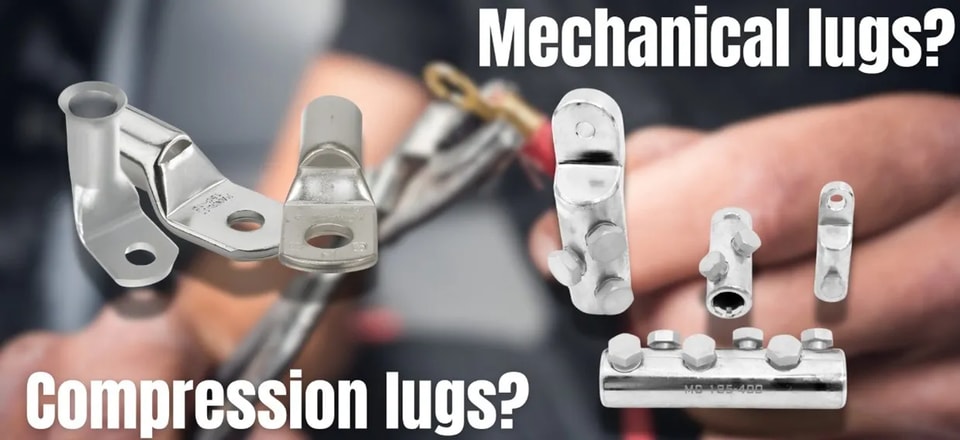
Choosing the right cable lug is essential for ensuring reliable electrical connections, long-term safety, and stable system performance.
Among the most commonly used connection methods, mechanical lugs and compression lugs each offer unique advantages depending on installation conditions, tooling availability, electrical load, and operating environment.
Understanding the differences between the two helps engineers, contractors, and buyers select the most suitable solution for their projects.
1. What Are Mechanical and Compression Lugs?
Mechanical Lugs
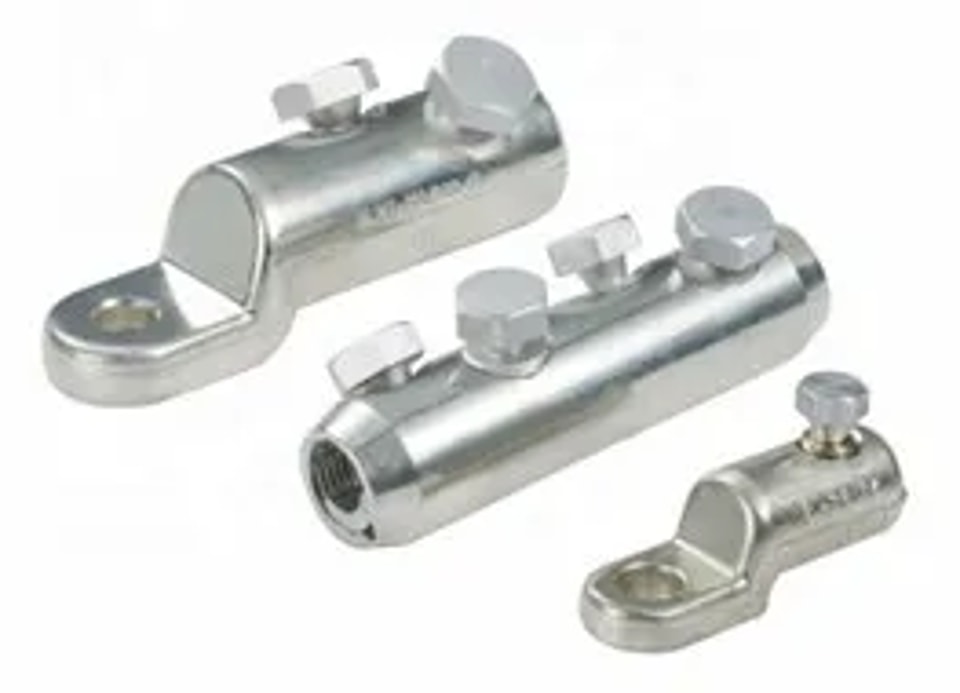
Mechanical lugs use set screws or shear bolts to secure the conductor inside the barrel. Installation is simple and does not require hydraulic crimping tools.
Because of their flexibility and ease of use, mechanical lugs are commonly used in field installations, maintenance work, and applications where tooling is limited.
Compression Lugs
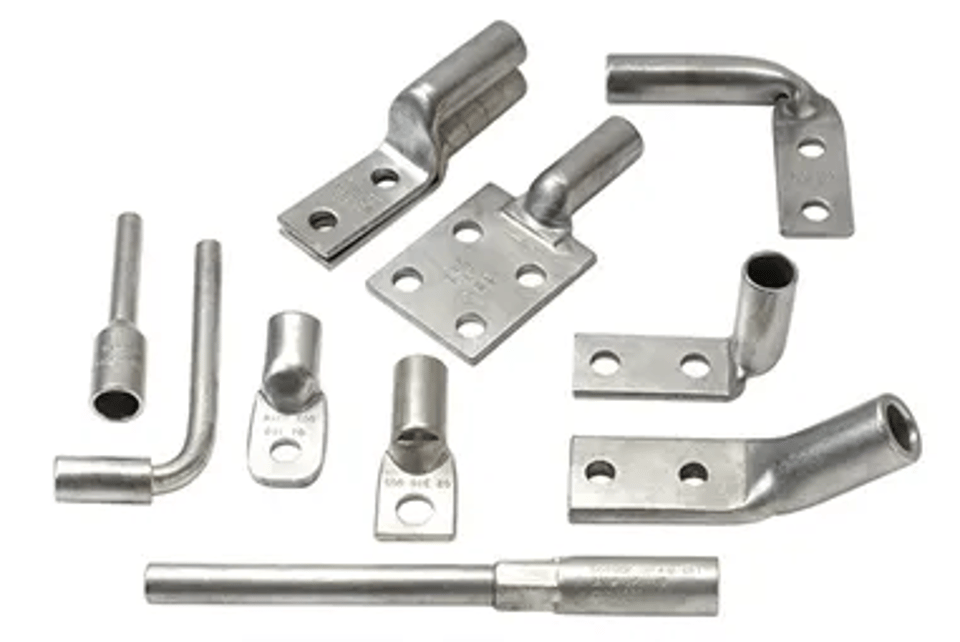
Compression lugs create a permanent connection by using a crimping tool and matched dies to compress the lug barrel around the conductor.
This process forms a stable metal-to-metal bond with excellent conductivity and long-term mechanical strength.
Core Difference
The main difference between mechanical and compression lugs lies in:
● Installation method
● Connection permanence
● Long-term electrical stability
2. Key Differences Between Mechanical and Compression Lugs
| Feature | Mechanical Lugs | Compression Lugs |
|---|---|---|
| Installation Speed | Fast, no special tools required | Slower, requires crimping |
| Electrical Conductivity | Moderate | High |
| Connection Reliability | Medium | High |
| Vibration Resistance | Lower | Excellent |
| Tooling Required | Minimal | Specialized crimping tools |
| Reusability | Often reusable | Not reusable |
| Maintenance Needs | May require retightening | Minimal after installation |
| Initial Cost | Lower | Higher |
| Long-Term Cost | Higher maintenance risk | Lower lifecycle cost |
| Best Load Range | Low to medium load | Medium to high load |
3. Performance Comparison
Electrical Resistance
Compression lugs generally provide lower electrical resistance because the crimping process creates a uniform metal-to-metal connection with minimal air gaps.
Mechanical lugs rely on screw pressure to maintain contact. Over time, thermal cycling and vibration may reduce clamping force if torque is not properly maintained.
Heat Generation
Lower resistance means less heat buildup under electrical load. For this reason, compression lugs are often preferred in high-current applications where temperature rise is a critical factor.
Mechanical lugs can still perform reliably, but insufficient tightening or poor maintenance may lead to localized hotspots.
Vibration and Mechanical Stability
Compression lugs offer superior resistance to vibration and mechanical stress due to the permanent crimped connection.
Mechanical lugs are more suitable for installations where accessibility and flexibility are priorities.
4. Application Suitability
Mechanical Lugs Are Best For:
● Field repairs and temporary installations
● Projects with limited tooling availability
● Low- to medium-voltage systems
● Indoor panels and accessible installations
● Applications requiring fast installation
Compression Lugs Are Best For:
● High-current applications
● Critical infrastructure projects
● Outdoor or harsh environments
● Systems exposed to vibration or thermal stress
● Long-term permanent installations
In practice, environmental conditions such as moisture, vibration, and temperature fluctuations often favor compression connections.
5. Cost Considerations
Mechanical lugs may offer lower upfront costs because they require minimal tooling and faster installation.
However, compression lugs often provide lower total lifecycle cost due to:
● Reduced maintenance requirements
● Lower failure rates
● Better long-term reliability
For large-scale industrial or utility projects, total cost of ownership is usually more important than initial purchase price alone.
6. Common Mistakes to Avoid
Incorrect installation practices can lead to overheating, loose connections, or premature failure regardless of lug type.
Common mistakes include:
● Selecting the wrong lug size
● Ignoring specified torque requirements
● Using incorrect crimping dies
● Failing to inspect the connection after installation
● Choosing products based only on price
Proper installation and correct product selection are critical for maintaining electrical safety and system reliability.
7. How to Choose the Right Lug
| Criteria | Mechanical Lugs | Compression Lugs | Best Choice |
| Installation Speed | Fast, no special tools | Slower requires crimping | Mechanical |
| Electrical Conductivity | Moderate | High | Compression |
| Connection Reliability | Medium | High | Compression |
| Vibration Resistance | Lower | High | Compression |
| Tooling Required | Minimal | Specialized tools needed | Mechanical |
| Reusability | Yes | No | Mechanical |
| Maintenance Needs | Higher due to retightening | Low after installation | Compression |
| Initial Cost | Lower | Higher | Mechanical |
| Long Term Cost | Higher due to maintenance and risk | Lower due to durability | Compression |
| Voltage / Load Suitability | Low to medium load | Medium to high load | Compression |
| Installation Skill Level | Basic technician | Skilled technician required | Mechanical |
| Failure Risk | Higher if not maintained | Very low if crimped correctly | Compression |
There is no universal “best” option — the correct choice depends on the actual installation environment and project requirements.
8. FAQs
Which lug type is better for high-current applications?
Compression lugs generally perform better because of lower resistance and stronger bonding.
Are mechanical lugs reusable?
Many mechanical lug designs can be reused if they are not damaged during removal.
Do compression lugs require special tools?
Yes. Proper installation requires calibrated crimping tools and matched dies.
Can mechanical lugs loosen over time?
Yes. Thermal cycling and vibration may reduce clamping force if torque is not maintained.
Are compression lugs suitable for outdoor use?
Yes. Compression lugs are widely used in harsh and outdoor environments due to their stable long-term performance.
Conclusion
Both mechanical and compression lugs play important roles in modern electrical systems.
- ● Mechanical lugs provide installation flexibility, speed, and convenience
● Compression lugs deliver superior conductivity, durability, and long-term reliability
Choosing the right solution requires evaluating installation conditions, electrical load, tooling availability, and environmental factors.
A well-selected connection not only improves performance, but also reduces maintenance risk and enhances overall system safety.